Closed walls filled through small holes
This suits most houses we see, where the plaster or drywall is finished and in good shape and you want to keep it that way. You end up with full cavities and a row of small patches, not a remodel.
Cold outside walls and drafty rooms usually mean the wall cavities are empty or thin. We fill them through small holes, then patch.
Yes. Wall insulation in West Lafayette means filling the empty spaces inside your outside walls, the cavities between the studs, so the rooms behind them stop losing heat. On most finished walls we do it through small holes that we patch afterward, without tearing anything out.
Most calls start with a room that won't warm up, a wall that feels cold to your hand in January, or a heating bill that doesn't make sense for the size of the house. In the older houses around here, the walls often have little or nothing in them. The price depends on how much wall we're filling, whether we go in from outside or inside, which material you pick, and whether anything needs fixing first. The schedule mostly depends on those repairs and on whether your address needs a permit. I'll come out, look at your walls and give you your own number.
I'm the one who comes out, looks at your walls and gives you the estimate, and I'm on the install alongside our crew. So the person who spotted the cracked corner in your back bedroom is the one making sure it gets handled right.
We're fully licensed and insured, and that covers the crew drilling into your siding or plaster just as it covers the attic work we're best known for. If you want to know more about it before we start, ask me at the estimate.
We've been in business since 2023, and I'd rather tell you a job isn't worth doing than sell it to you. If your walls already hold decent insulation, or need repairs first, you'll hear that from me before you hear a price.
Satisfaction guaranteed on every job, and that starts with doing the work in the right order, fixing what's wrong before anything goes into the wall. When you're ready, call (765) 250-8264 or use the form below, and I'll come take a look.
We reply within one business day. Then I come out, look at your walls and give you an estimate, free and with no obligation. It helps to have your address, your siding type, any water stains or soft spots you've noticed and any remodel plans ready.
Inside city limits, the West Lafayette Building Department issues permits for residential projects. Its list names alterations, repairs and changes to existing buildings, but not wall insulation by name, so that office is the one that decides whether your job needs a permit. We check which office covers your address, since city limits change who you deal with, and we handle the permit side with that office when your job calls for one. If your house is in the New Chauncey Historical District, plans go first to the city's Department of Development for review by the Historic Preservation Committee, and only then does the Building Department issue the permit. Expect that extra step before we can start.
We're based in West Lafayette and do the same work in Lafayette, Crawfordsville and the other cities around it, and a lot of what we see is drafty older houses with plaster walls. Some of those houses are balloon framed, with wall cavities that run from the basement up into the attic. Those walls need blocking at the top and bottom so the insulation stays in the wall, which is one reason I look in the attic and basement before I price the walls.
Closed walls can be insulated through small holes drilled from outside or inside, with the insulation packed tight into each cavity, so your finished walls stay where they are. From outside, many sidings, such as vinyl, aluminum and steel, can be loosened with a siding tool to reach the wall behind them. From inside, the floor below the work gets covered and the area is closed off so dust doesn't travel through the house.
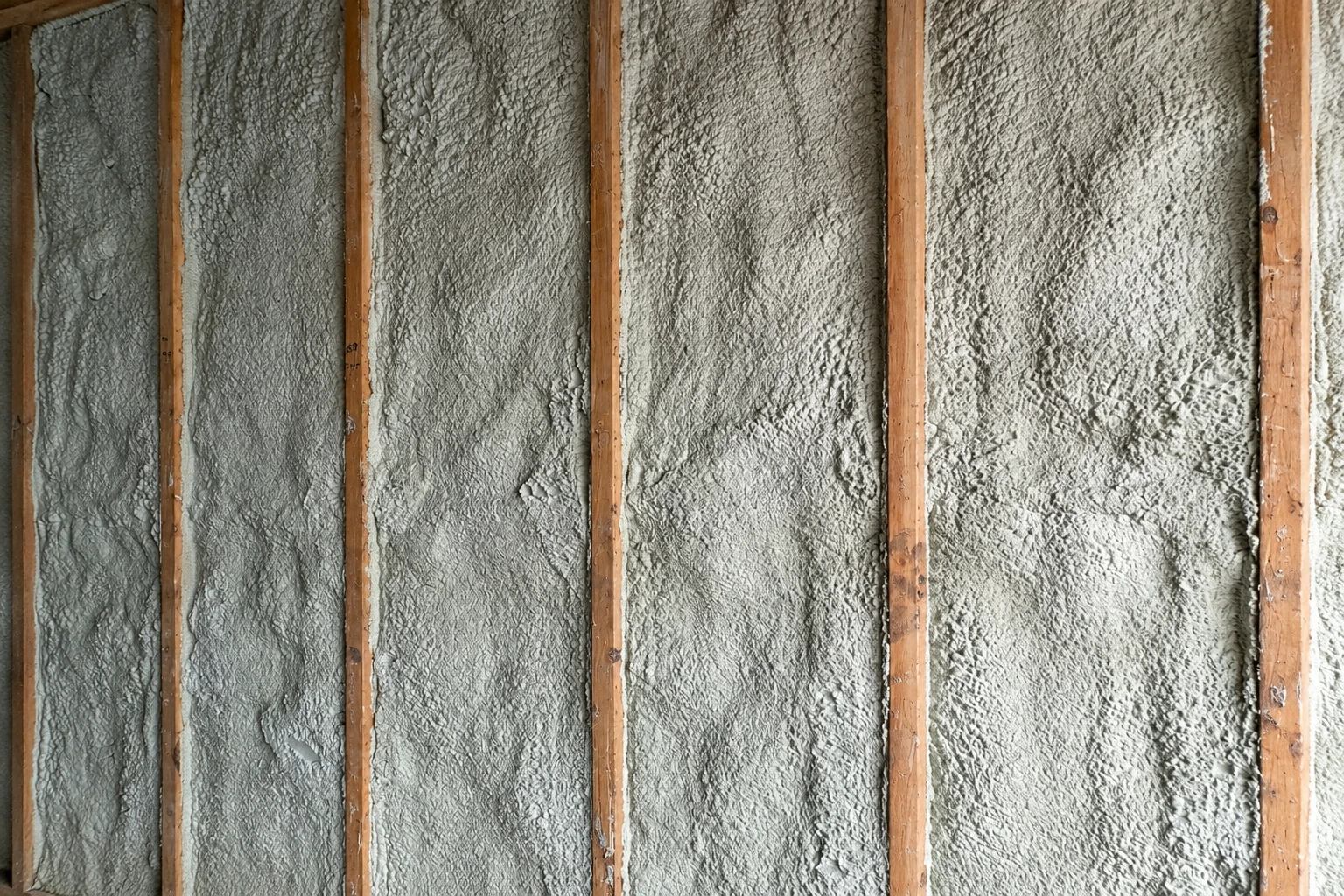
Yes. If the plaster or drywall is already coming off, that's the easiest time, because the framing is open and nothing has to go in through small holes. With the walls open you can use the same materials as new construction, including blown and spray-applied products.
There's no flat price for walls, so your number comes from the estimate after I've looked at your house. The material makes a big difference, and spray foam is typically the most expensive way to insulate an existing wall, so plan on paying more for it than for other options on the same wall. Unless your walls are already open and you want the air sealed in the same step, I usually don't think foam is worth the extra.
Have the moisture problem found and repaired before any insulation goes in, because insulating over it only makes it worse. Look for signs on the outside wall, around door and window framing, and on the inside finish. Cracks and weak spots in the walls need fixing first too, since packing insulation tight into a closed space can push them further.
The city typically finishes permit review within 10 business days once it has all the required application materials, so a missing piece is what usually drags it out. A contractor's bonds also have to be on file with the city before any permitted work inside city limits, and the permit isn't issued until they are.